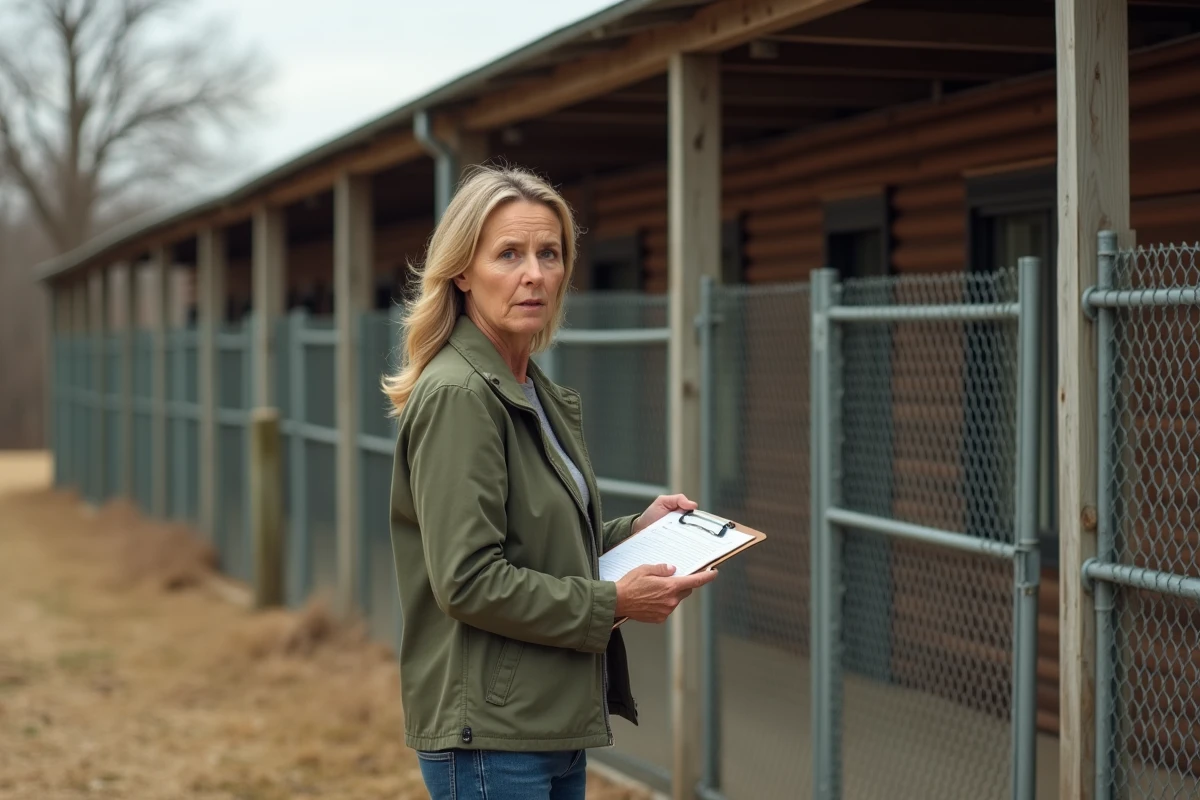
When a dog breeding operation is suspected of abuse or fraudulent practices, the reporting process depends on the type of problem observed. A sanitary violation is reported in a different place than a sales fraud or an act of cruelty. Identifying the correct category of facts directs you to the right contact and determines the follow-up on the case.
DGCCRF, SPA or justice: which reporting channel according to the type of problem
| Type of problem observed | Competent authority | Reporting method |
|---|---|---|
| Commercial fraud (fake LOF papers, absence of transfer certificate, illegal sale of puppies) | DGCCRF via SignalConso | Online at signal.conso.gouv.fr, category “animals” |
| Animal abuse (degraded living conditions, injured or starving animals) | SPA or animal protection associations | Online form on the SPA website, or direct call |
| Cruelty, serious abuse or serial abandonment | Public prosecutor / gendarmerie | Filing a complaint at the police station, at the gendarmerie, or by mail to the prosecutor |
| Sanitary violation or absence of veterinary follow-up | Departmental Directorate for the Protection of Populations (DDPP) | Letter or form to the prefecture of the department |
| Doubt about the practices of an identified breeder | National Order of Veterinarians | Specific reporting form on veterinaire.fr |
This table summarizes the most common cases. In practice, a single breeding operation may accumulate several types of violations. There is nothing to prevent reporting to two organizations in parallel.
The possibility of reporting a dog breeding operation to avoid relies on the prior collection of factual elements: photos, written exchanges, sales documents, dated testimonies. Without these pieces, the report is likely to be dismissed without follow-up.

Online reporting via SignalConso: scope and limits for a dog breeding operation
SignalConso is the official platform of the DGCCRF. It explicitly covers issues related to dog or cat breeding, as well as boarding, grooming, and veterinary services. Online reporting does not automatically trigger an inspection. It feeds into a database consulted by fraud enforcement agents during their investigations.
This channel is suitable for commercial anomalies: a breeder selling a puppy without a transfer certificate, not providing a veterinary certificate, refusing to communicate the animal’s identification number, or presenting false LOF documents. It does not address animal abuse in the criminal sense.
What SignalConso does not cover
Situations of visible animal suffering (emaciated, injured animals, locked in darkness) fall under the SPA or a complaint filing. Filing a commercial report on SignalConso for acts of cruelty delays intervention by the competent authorities.
An effective report depends on the exact type of problem observed. Confusing commercial fraud with abuse directs the case to a service that cannot act.
Evidence to gather before reporting a breeder
The National Order of Veterinarians recommends gathering precise information about the breeding operation before any report: name, address, and if possible, the breeder’s SIRET number. This data allows the competent services to quickly identify the establishment.
- Dated photographs of the premises, the animals, and their living conditions (cages, enclosures, cleanliness, access to water)
- Copies of documents provided during the sale or visit: transfer contract, health booklet, identification certificate, possible pedigree
- Screenshots of online ads (classified ad sites, social media) with the URL and publication date
- Written exchanges with the breeder (emails, SMS, messages on social media) documenting their commitments or refusals
- Testimonies from other buyers, dated and if possible signed, describing similar situations
Timestamped photographic evidence carries more weight than an isolated oral testimony. Most smartphones automatically record the date and GPS coordinates in the image metadata.
What strengthens a case with the DDPP
The departmental directorate for the protection of populations can initiate an inspection if the report is sufficiently substantiated. A detailed letter, accompanied by numbered documents, is more likely to lead to a visit than a simple phone call.
The veterinary certificate is a mandatory document for any transfer of a dog. Its absence alone constitutes grounds for reporting to the DGCCRF.
Filing a criminal complaint: when administrative reporting is not enough
Filing a complaint with the justice system represents a higher level than simple reporting. It addresses situations where the observed facts fall under the Penal Code: acts of cruelty, serious abuse, voluntary abandonment of companion animals.
The complaint can be filed at the police station, at the gendarmerie, or directly sent to the public prosecutor by registered mail. In this letter, it is necessary to describe the facts precisely, attach available evidence, and indicate the identity of the breeder if known.
Difference between a complaint and a report
A report records a fact without triggering prosecution. Only filing a complaint can open a judicial investigation. If a police station refuses to record the complaint, recourse to the prosecutor by mail remains possible and cannot be refused.
Authorized animal protection associations can join the proceedings as civil parties in a criminal procedure. Reporting the facts to them in parallel with filing a complaint enhances the visibility of the case.
Regulatory obligations of the breeder: criteria to check yourself
The documentary and sanitary obligations of breeders have strengthened in recent years. A buyer or visitor can verify several elements even before contacting the authorities.
- SIRET number mandatory for any breeding activity resulting in the sale of more than one litter per year
- Knowledge certificate (formerly knowledge attestation) held by the breeder
- Identification by microchip of each animal before transfer
- Mandatory provision of a veterinary certificate, an information document on the characteristics of the breed, and a transfer certificate
The absence of any of these documents constitutes an offense that can be reported to the DDPP or via SignalConso. A breeder who refuses to show their SIRET number or knowledge certificate should raise suspicion.
The line between a negligent breeding operation and a truly abusive one is not always clear at first glance. Documenting each anomaly methodically, then directing the case to the right contact, remains the approach most likely to lead to intervention by the authorities.