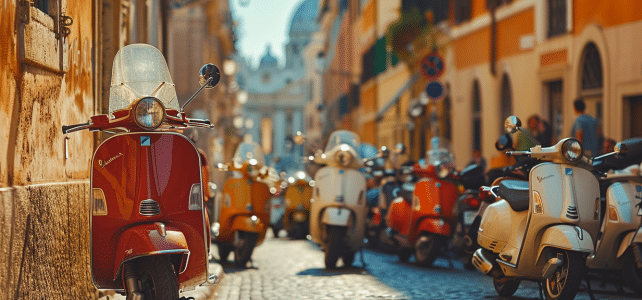
Europe, with its cobblestone streets, grand boulevards, and green spaces, offers an ideal playground for urban exploration. At the heart of this dynamic, two-wheelers, true icons of style and practicality, are gaining popularity. They charm with their appeal and adaptability, allowing city dwellers to navigate effortlessly and elegantly through the dense urban fabric. Whether it’s retro bikes, vintage scooters, or modern design motorcycles, these means of transport are no longer just appreciated for their functionality but also for the aesthetics and identity they confer upon their users.
The Two-Wheelers Shaping the European Urban Landscape
In the metropolises of the Old Continent, urban two-wheelers play a prominent role in the balance of urban transport. Sparkling scooters and roaring motorcycles reflect a mobile culture and symbolize individual freedom. Some models, particularly Italian scooters, with their sleek design and eye-catching colors, have become objects of desire, embodying the dolce vita in the heart of European cities. They do not merely facilitate mobility in the city: they enhance it, contributing to an urban landscape where pragmatism meets aesthetics.
Outside of Italy, other countries bring their distinctive touch to the world of European city motorcycles. Germany, with its brands known for their robustness and cutting-edge technology, offers motorcycles that inspire confidence and performance. The United Kingdom, for its part, maintains its tradition of motorcycles with strong character, featuring lines that evoke a rich history of competition and innovation. These motorcycles are not just means of transport; they are extensions of their owners’ personalities, emblems that transcend time and trends.
The rise of two-wheelers in urban centers has significant implications for urban mobility. They respond to a growing demand for more flexible, faster, and less cumbersome transportation solutions than cars. Public policies, eager to reduce congestion and pollution, encourage this trend, facilitating the adoption of these vehicles through suitable urban planning and economic incentives. Two-wheelers are not just vectors of style; they are also the engines of profound change in commuting habits and urban space design.
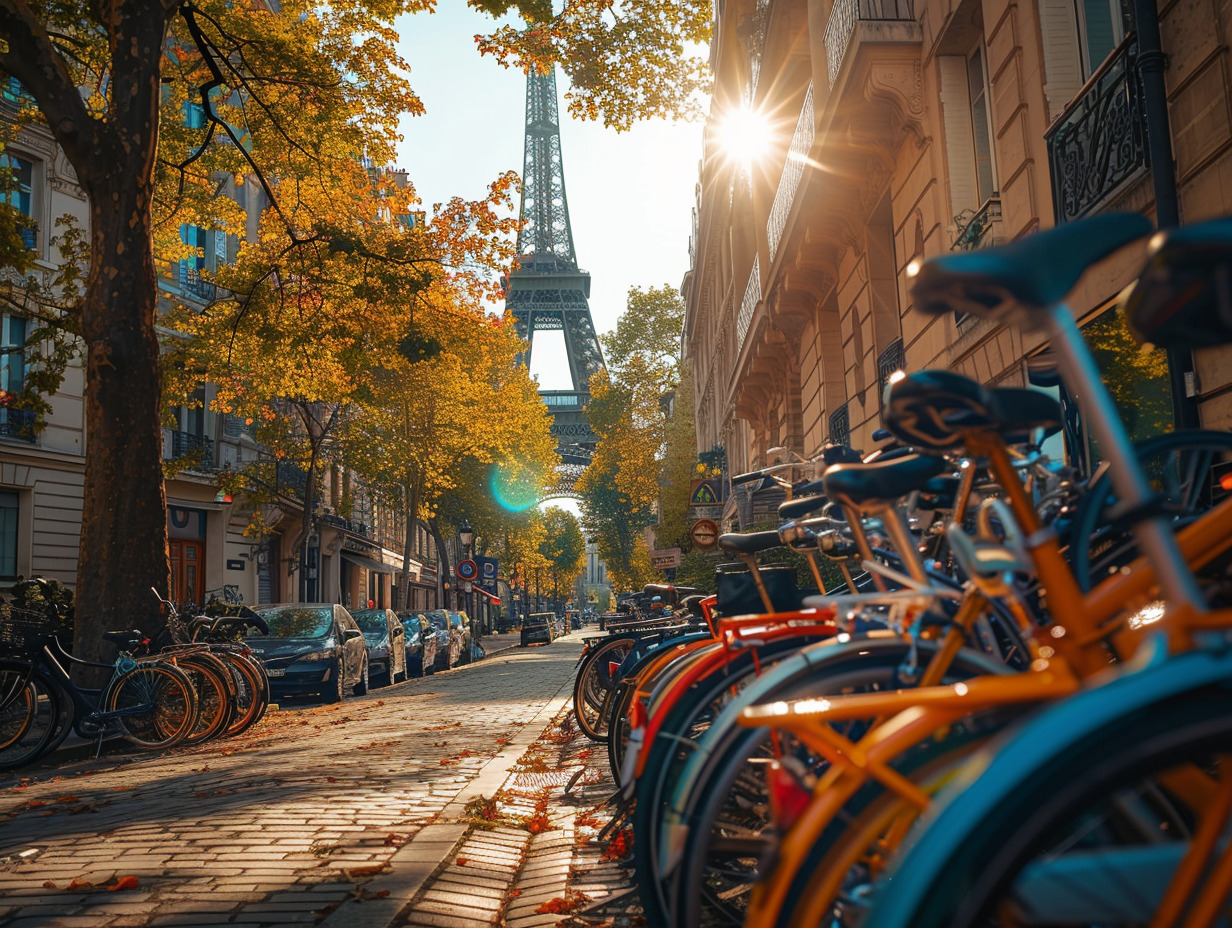
The Iconic Brands and Models of Scooters and Motorcycles in Europe
In the landscape of iconic two-wheelers, European brands hold a prominent position. Italy, with its illustrious manufacturers such as Vespa and Piaggio, exports worldwide the image of a chic and timeless scooter. These European vehicles, with their unmistakable silhouette, embody a refined way of life and engineering focused on comfort and maneuverability, suited to the narrow and lively streets of European cities.
The motorcycle industry is no exception, with players such as the British brand Triumph or the German BMW, which have built a reputation for reliability and excellence. Their motorcycle models, with their performance and unique design, appeal to a clientele seeking a robust and elegant two-wheeler. These motorcycles are not just machines; they are the expression of a tradition and craftsmanship that transcend time.
Beyond legendary brands, Europe is witnessing the emergence of new players in the motorcycle models and scooter sector, thus enriching the market with innovative offerings. The convergence of technology and ecology is now at the heart of concerns, giving rise to electric two-wheelers with futuristic designs. These, while respecting the environment, do not forget aesthetics and performance, proving that urban style and ecological responsibility can go hand in hand.