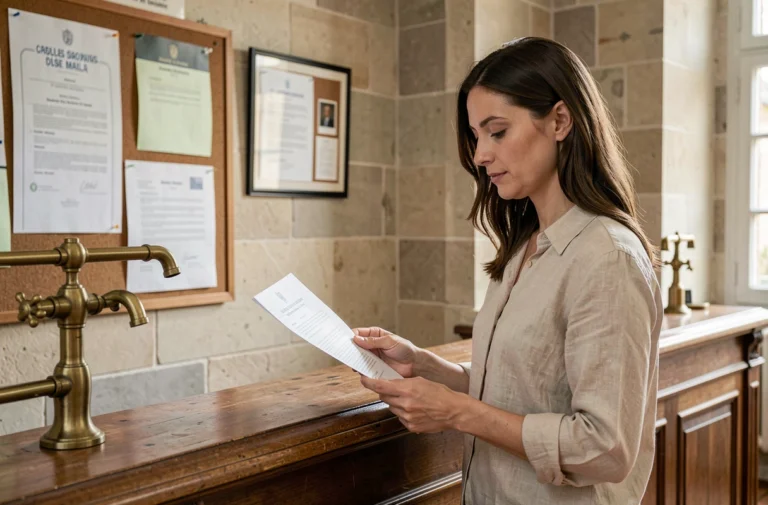
When you arrive in Bangkok at 6 AM after an overnight flight, the only thing that matters is a clean bed, a secure locker, and a shower. Not a rooftop with cocktails. The choice of accommodation for young travelers depends less on the standard than on the concrete situation: length of stay, need for quiet, remote work, or simply a stopover between two buses.
Accommodation for young travelers: the right format depending on the length of stay
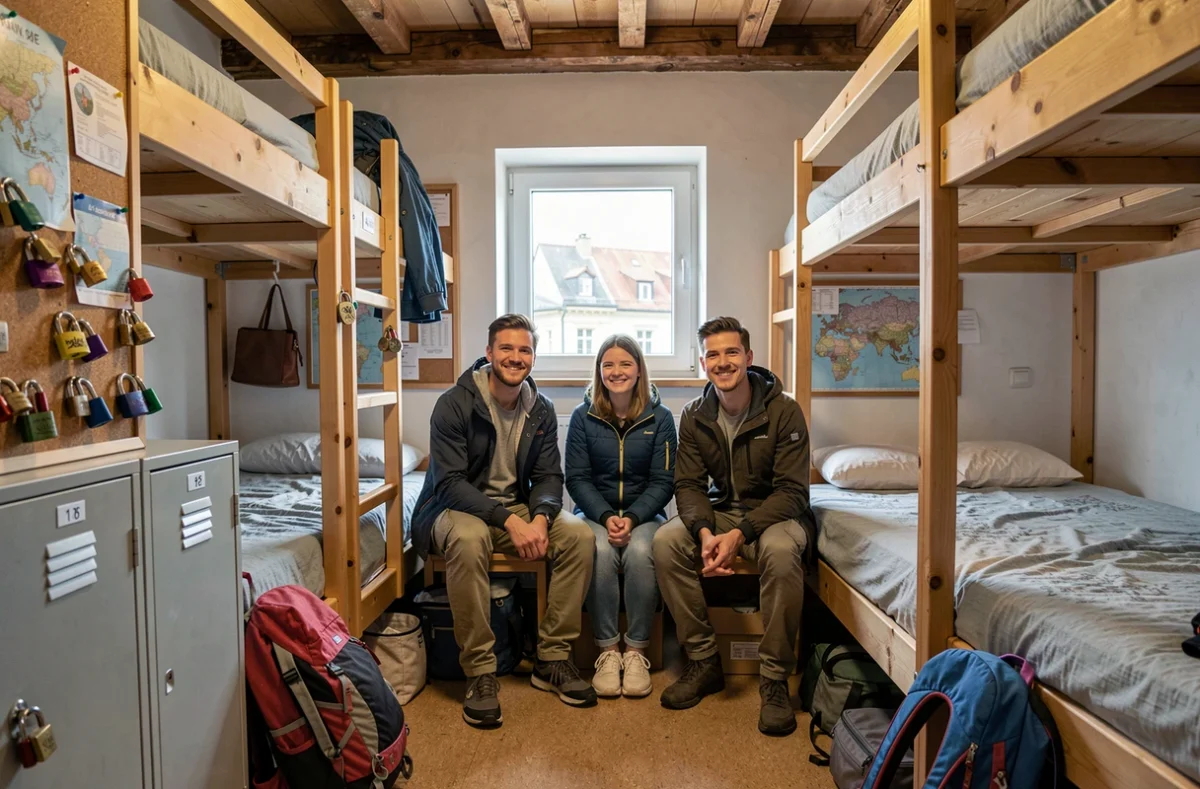
A long weekend in a European capital and three months of touring Southeast Asia are not accommodated in the same way. For a short stay, the classic dormitory in a youth hostel remains the most straightforward format: you drop your bag, socialize in the common areas, and leave. Feedback varies on the actual comfort of dormitories depending on the establishments, but the formula works for a few nights.
As soon as you exceed two or three weeks in the same place, coliving becomes a more suitable alternative than a hostel. This format targets young travelers who stay for several weeks, prioritizing reliable Wi-Fi, quiet, and workspaces. You find a stable communal life, far from the constant turnover of dormitories.
To compare the available options based on your destination, the accommodations on Jeunes Voyageurs allow you to filter by type of stay and region.
In between, a private room in a hostel offers a compromise: you retain access to common areas and social activities while sleeping in a closed space. The line between a hostel and a budget hotel is blurring in this niche, as recent establishments combine dormitories, private rooms, and sometimes family rooms.
Dormitory, capsule, or private room: concrete criteria for choosing
The price per night is not enough to decide. Three parameters determine whether accommodation is truly suitable for a young traveler on a daily basis.
Quality of sleep in a dormitory
The demand has shifted towards more privacy in shared spaces. Capsule beds with curtains, individual outlets, and lighting reduce noise and lack of privacy, two main reasons for abandoning the dormitory format. If you work remotely and your sleep schedule is different, check that the hostel offers this type of setup.
Actual safety of the establishment
Recent reviews matter more than a ranking or a polished aesthetic. Reports of thefts, faulty locks, pests, or lack of staff at night are indicators to take seriously. Before booking, filter reviews by date and look for recurring negative feedback, not just the overall rating.
Workspace for digital nomads
A “fast” Wi-Fi claim means nothing. What matters is the presence of dedicated work tables, accessible outlets during the day, and stable bandwidth for video conferences. Hostels that invest in this aspect showcase it in their photos; those that don’t leave travelers working on their beds.
- Capsule bed or dormitory with curtains: suitable for stays of a few nights, provided you check ventilation and ambient noise
- Private room in a hostel: a compromise between budget and comfort, ideal for couples or those needing quiet without giving up social life
- Coliving: relevant beyond two weeks, with integrated workspace and a more stable community
- Airbnb-style rental: total autonomy, but loss of social aspect and often higher cost for short bookings
Staying with locals and guesthouses: what hostels can’t offer
In certain regions, particularly in Southeast Asia, Latin America, and Africa, staying with locals remains the most immersive and least expensive format. You share meals, discover a neighborhood off the tourist trails, and the price often drops below that of a dormitory.
The family guesthouse occupies a neighboring niche: one or two rooms rented by a family, with a minimal level of service but an authentic local experience. This format is particularly suitable for travelers passing through secondary cities, where youth hostels do not exist.
The trade-off is unpredictability. Comfort varies greatly from one host to another, last-minute cancellations occur, and accessibility for people with reduced mobility is rarely guaranteed. On this last point, accessibility remains a differentiating criterion that is still little addressed in rankings of accommodations for young travelers.

Next-generation hostels: spotting marketing and real innovations
Photos of rooftops and neon lights say nothing about the quality of a night’s sleep. The new generation of hostels invests in two distinct areas, and it’s beneficial to distinguish them.
The first area is functional: soundproof rooms, automated check-in systems, electronic lockers, fully equipped kitchens with dishwashers. These elements concretely improve daily life. The second area is aesthetic: Instagrammable decor, integrated bar, organized social events. Pleasant, but without impact on the quality of rest or safety.
To evaluate an establishment before booking, focus on a few concrete signals:
- Presence or absence of staff at night (mentioned in reviews, rarely on the official site)
- Type of lock on dormitories and lockers (code, card, personal padlock)
- Cancellation policy and flexibility in case of itinerary changes
- Photos of workspaces taken by travelers, not by the establishment
A good accommodation for young travelers is judged by its lockers and night silence, not by its street art wall. Establishments that combine private rooms, capsule dormitories, and coworking spaces now cover a wide spectrum, from backpackers to young professionals working remotely. The challenge is no longer to find a cheap bed, but to find the right format for your actual travel situation.