Interior decoration is based on a principle that is often overlooked: every visual choice alters the thermal, acoustic, and spatial perception of a room. Elevating an interior with style and creativity is not just about following a color palette. It is also about understanding how a material, texture, or layout concretely transforms the daily use of a space.
Energy efficiency and wall decoration: a still rare angle
Decoration designed to reduce energy bills is gaining ground. The link between certain decorative choices and the thermal comfort of a home is now well documented by public organizations raising awareness about energy transition.
A well-chosen thermal curtain serves a dual purpose. It dresses a window with a structured drop, and it limits heat loss in winter. Insulating interior shutters, updated with wood finishes or matte shades, play the same role on large bay windows.
Thick rugs, often presented as a simple living room accessory, measurably alter the sensation of cold on the floor. Combined with glass partitions that create thermal zoning between rooms, they contribute to a decor that makes sense in terms of comfort without sacrificing style.
To nurture this approach, the decor inspirations from Deco Asaiss offer concrete ideas where aesthetics meet the daily use of each room.
Creative reuse: going beyond the discourse on sustainable materials
Many contents refer to “eco-responsible” materials in a generic way. The most concrete movement is happening in the creative repurposing of reused objects, directly applicable to an existing interior.
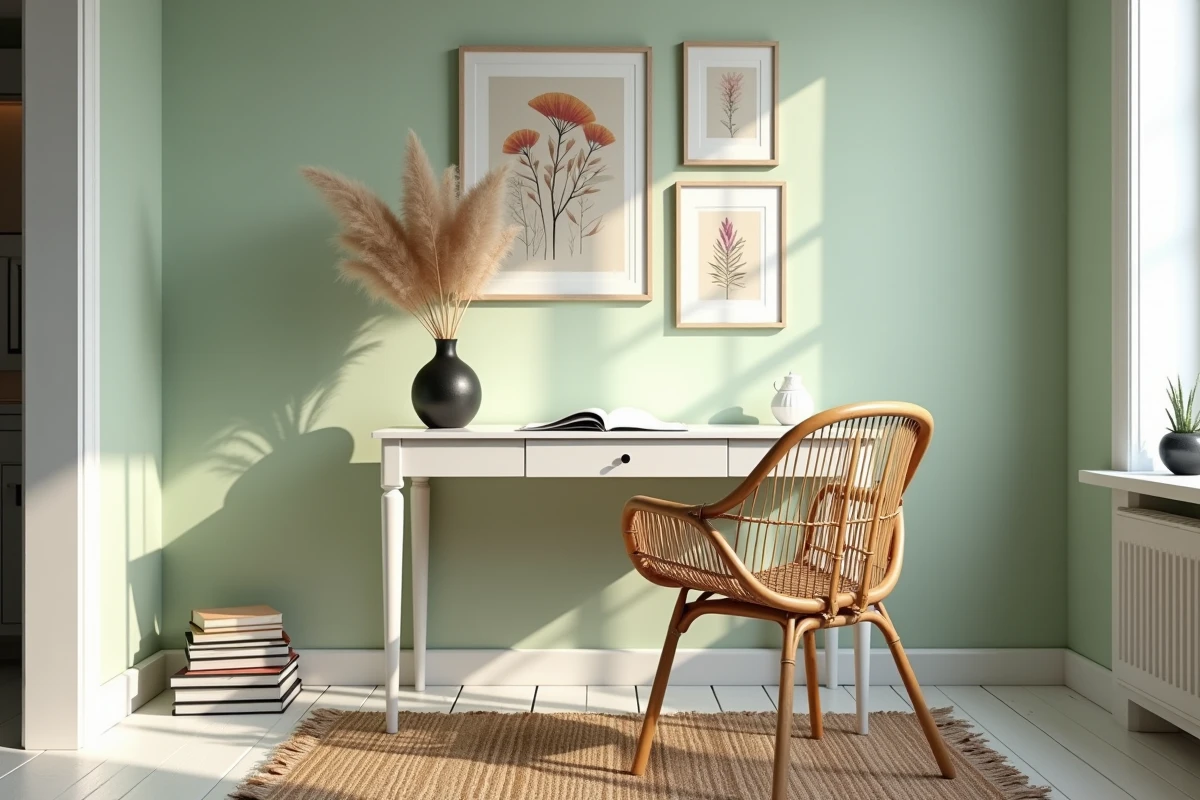
Resource centers and recycling centers have seen a significant increase in transformation projects in recent years. Platforms like Geev or Label Emmaüs provide a flow of objects that individuals reinterpret: an old door becomes a headboard, a workshop locker turns into a wall bookshelf, mismatched frames form a photo and poster wall composed with intention.
This type of wall decor produces an effect that new furniture struggles to replicate: each piece tells a story of previous use. The visual result gains depth because the textures and patinas are not simulated.
Criteria for successfully assembling reused items
- Choose a limited color palette (two to three tones) to unify objects from different sources and avoid a chaotic flea market effect
- Vary the scales: a large painting or a large-format poster anchors the gaze, while small objects (candle holders, vases) complete without overwhelming
- Establish a material common thread (all wood, all metal, all ceramic) that gives coherence to the wall or shelf
Sustainable home staging: decorating while preserving resale value
Buyers express a growing demand for sustainable home staging. The principle: design an aesthetic and personal interior that is easy to dismantle or adapt during resale.
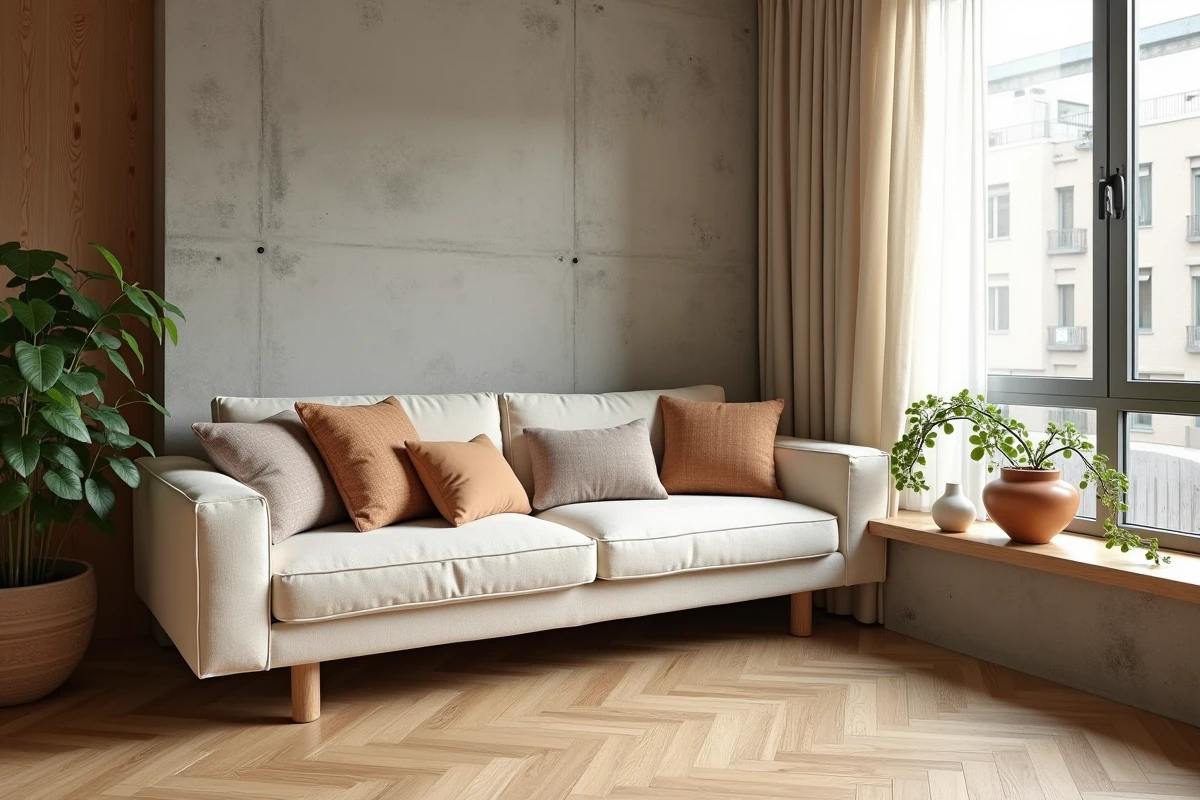
In practice, this involves painting walls in neutral shades (off-white, beige, light gray) to which personality is added through removable accessories. A wall art composed of framed posters can be taken down in ten minutes. Cushions in a trendy color, a textured throw on the living room sofa, or a designer vase on a console are enough to mark a style without freezing the space.
Modular furniture contributes to this logic. A standing shelf can be moved from one room to another. A low piece of furniture that serves as an entry bench today becomes living room storage tomorrow.
High-impact visual accessories with low commitment
- Interchangeable photo frames and wall posters: they transform a wall into a personal gallery without excessive drilling thanks to adhesive mounting systems
- Seasonal textiles (cushion covers, light curtains in spring, thick curtains in winter): they renew the living room atmosphere twice a year for a moderate budget
- Portable accent lighting (table lamps, LED string lights): they change the atmosphere of a room without fixed electrical intervention
- Decorative mirrors of various sizes: they visually enlarge a space while serving as standalone decorative pieces
Trendy colors for 2026: the Earthy Vibrancy palette for the living room and walls
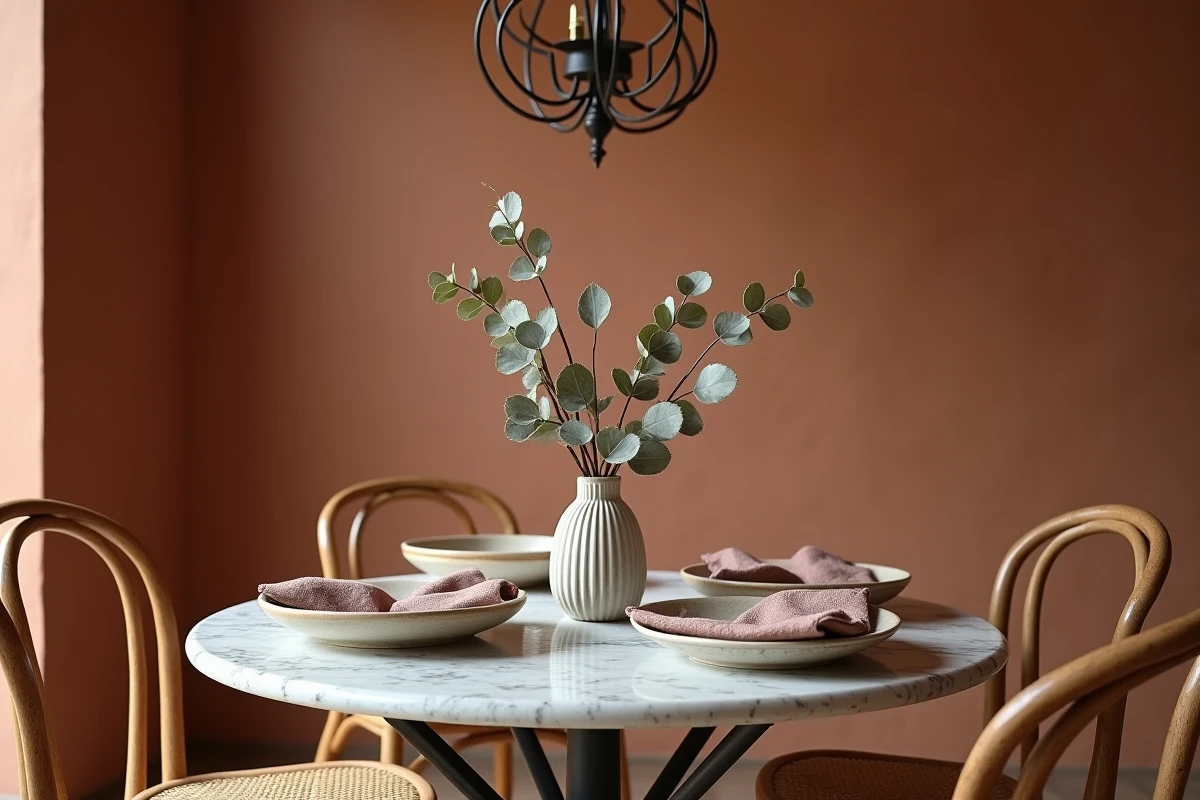
Among the emerging color trends, the so-called Earthy Vibrancy palette appeals to decorators for its ability to combine depth and warmth. It pairs earthy tones (terracotta, ochre, warm brown) with vibrant touches (burgundy, forest green, teal).
This palette works particularly well in wall decoration. An accent wall painted in terracotta in a predominantly light living room creates a focal point without overwhelming the space. Hand-painted murals or wallpapers with organic patterns extend this effect with wall art that moves away from simply hanging a picture.
The balance lies in proportion: one saturated wall per room, the rest in neutral shades. Accessories (cushions, vases, candles) pick up one or two accents from the palette to tie the whole together without overloading.
Interior design in 2026 is leaning towards spaces where every decorative element also serves a function of comfort or flexibility. The most sustainable trends are not those that make the most visual noise, but those that adapt to the seasons, uses, and life projects of each home.