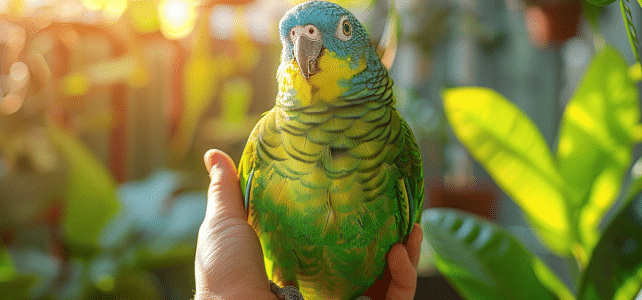
Exotic birds, with their colorful plumage and melodious songs, captivate many enthusiasts. However, their breeding and care require special attention and specific knowledge. These delicate creatures, often originating from tropical climates, need a suitable habitat that simulates their natural environment. Their diet must be balanced and rich to meet their particular nutritional needs. Socialization and the psychological well-being of these birds are crucial to prevent stress behaviors or self-mutilation. Breeders must be aware of the responsibilities involved in keeping these species outside their natural habitat.
The Fundamentals of Exotic Bird Breeding
Breeding exotic birds begins with setting up an adequate habitat. The cage, the central element of this habitat, must be chosen wisely: large enough to allow the bird to fly and stretch, but also equipped with resting and play areas. The configuration of the cage varies depending on the species and the activity level of the bird. An appropriate perch promotes exercise and maintains foot health. The materials must be non-toxic and resistant to sharp beaks.
The diet of exotic birds is an essential component of their breeding, directly influencing their health and longevity. A varied diet, including specially formulated pellets for birds, grains and sprouts, as well as fresh fruits and vegetables, contributes to their nutritional intake. Nuts can be given sparingly due to their high-fat content. Avoid toxic foods at all costs that could be lethal to your pets.
The ambient temperature is a factor not to be overlooked. Exotic birds, often from tropical or subtropical regions, need a climate that mimics their natural habitat. A stable and comfortable temperature must be consistently maintained in their living space. Consider the specific needs of each species: some, like the white parakeet, may require slightly different conditions.
Breeding requires daily attention and careful observation of the bird’s behavior, which reveals its well-being. Adopting an exotic bird involves a commitment in terms of time and effort. Ensure you can dedicate the necessary resources to meet their specific needs, provide a stimulating environment, and offer appropriate companionship.
Daily Care for the Health and Well-Being of Exotic Birds
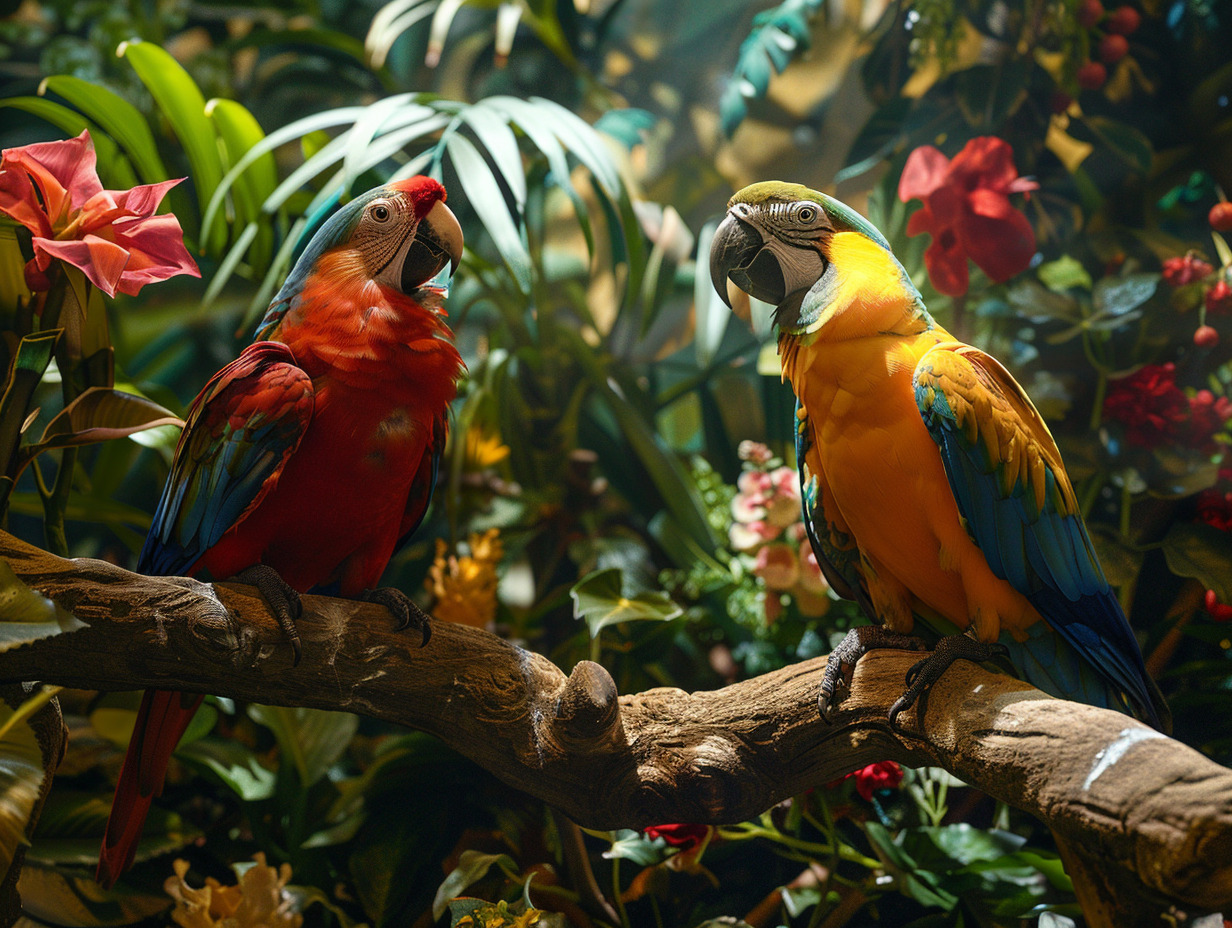
The care rituals provided to these feathered beings are as diverse as the species themselves. Some universal gestures are essential to ensure their well-being. The bathing is a key element of the routine, not only for hygiene but also for the bird’s enjoyment. Most exotic birds enjoy light showers that remind them of the rains in their natural habitat. Therefore, offer your birds frequent opportunities to bathe, ensuring the water is at room temperature.
Another essential task is the trimming of wings, claws, and sometimes the beak. This should be done with care and skill to avoid injuring the animal. These preventive measures help avoid household accidents and aggressive behaviors related to stress or discomfort. For beak trimming, which is particularly delicate, it is recommended to consult a veterinarian specialized in exotic birds.
Regularly monitor your birds’ weight. Significant fluctuations can indicate health problems. Have a suitable scale and keep a record to track each bird’s weight changes.
Foraging, or searching for food, is essential to stimulate the bird’s intelligence and prevent boredom. Use interactive toys or hide food to encourage these natural behaviors. Time spent with the owner is equally beneficial, strengthening the emotional bond and contributing to the bird’s emotional balance. Therefore, dedicate special moments to your feathered companions for a harmonious and fulfilling coexistence.