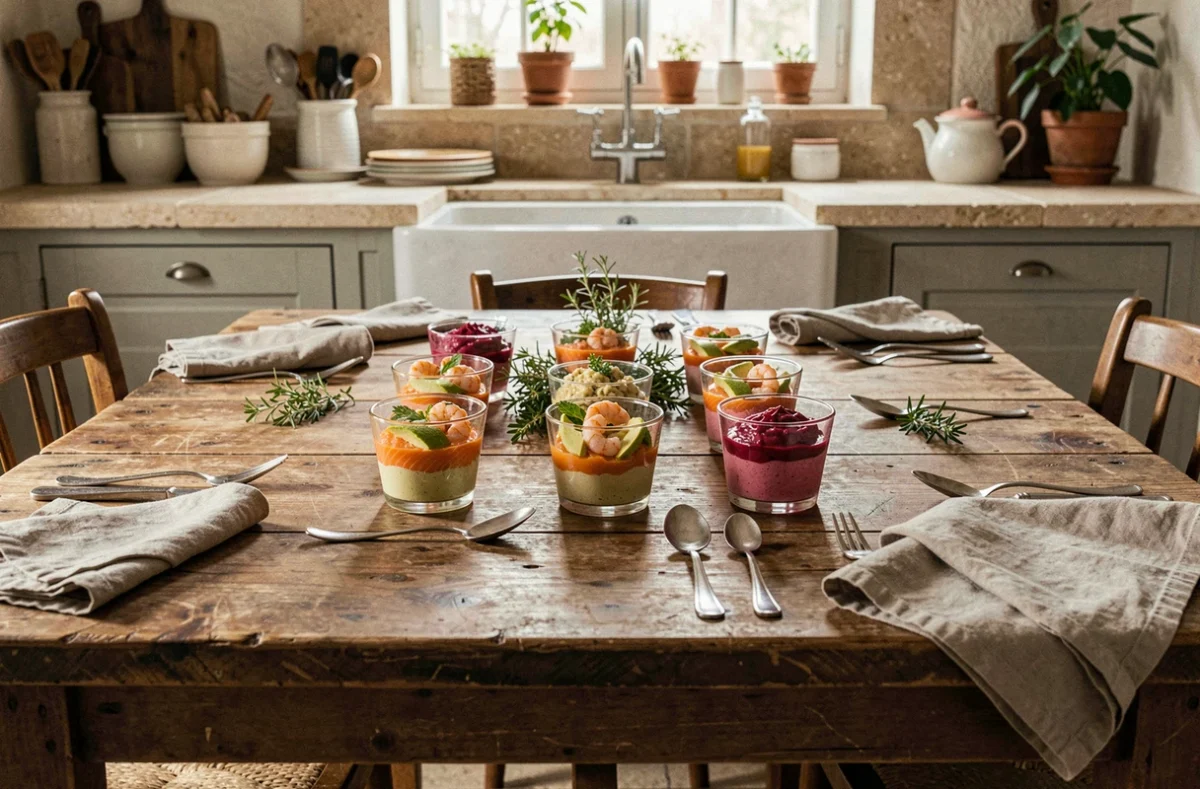
Savory verrines prepared the day before solve a problem that everyone knows: the stress of D-day. A successful appetizer relies on preparations that can withstand a night in the refrigerator without losing their texture or flavors.
Not all recipes lend themselves to this. Compositions based on mousses, creams, and smoked fish hold up well in the cold, while crispy toppings soften quickly. Here are ten concrete verrines, designed to be assembled the day before and served without any adjustments or almost none.
1. Smoked Salmon Mousse with Lemon and Cream Cheese
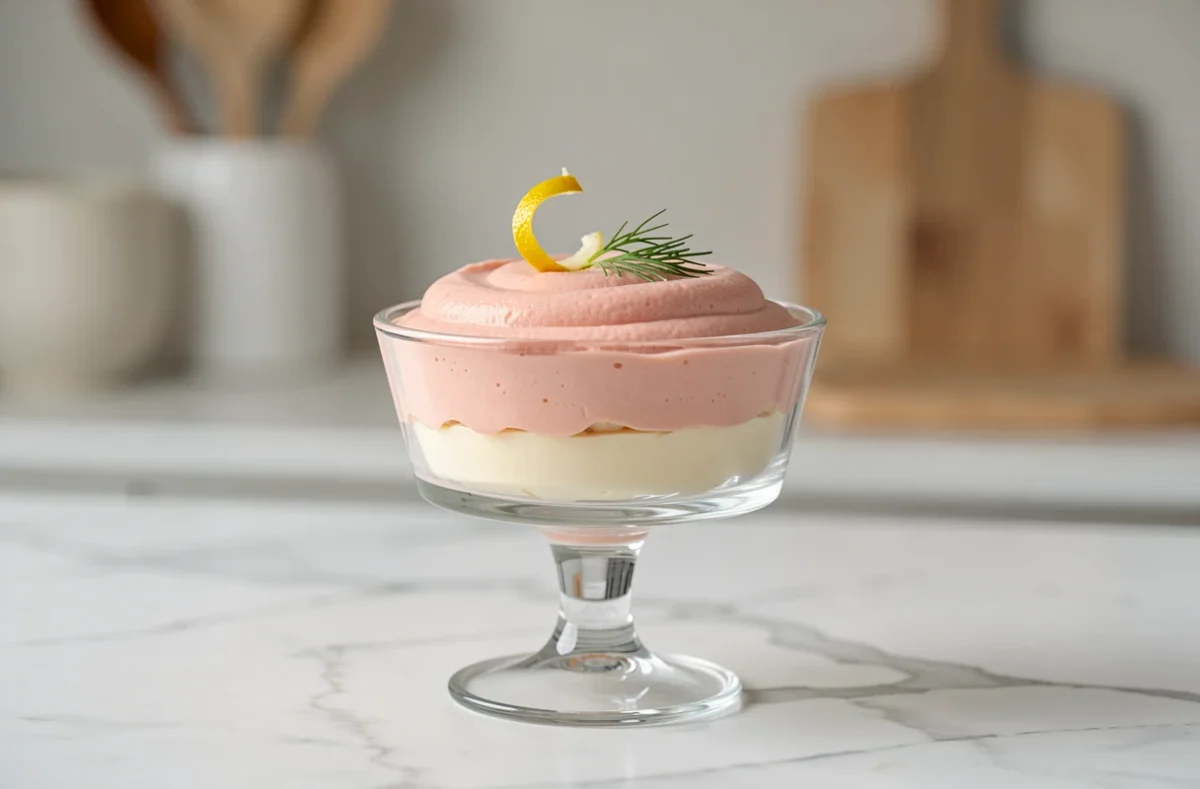
Blended smoked salmon with cream cheese forms a mousse that firms up in the cold. The lemon prevents oxidation and enhances the flavor without masking it. This is one of the best preparations suited for a night in the refrigerator.
You can explore other savory recipes on Vidéos du Net to vary the combinations around smoked salmon. Remember to cover each verrine hermetically: a closed lid prevents the fish from absorbing odors from the refrigerator.
2. Avocado-Shrimp Verrine with Pink Grapefruit
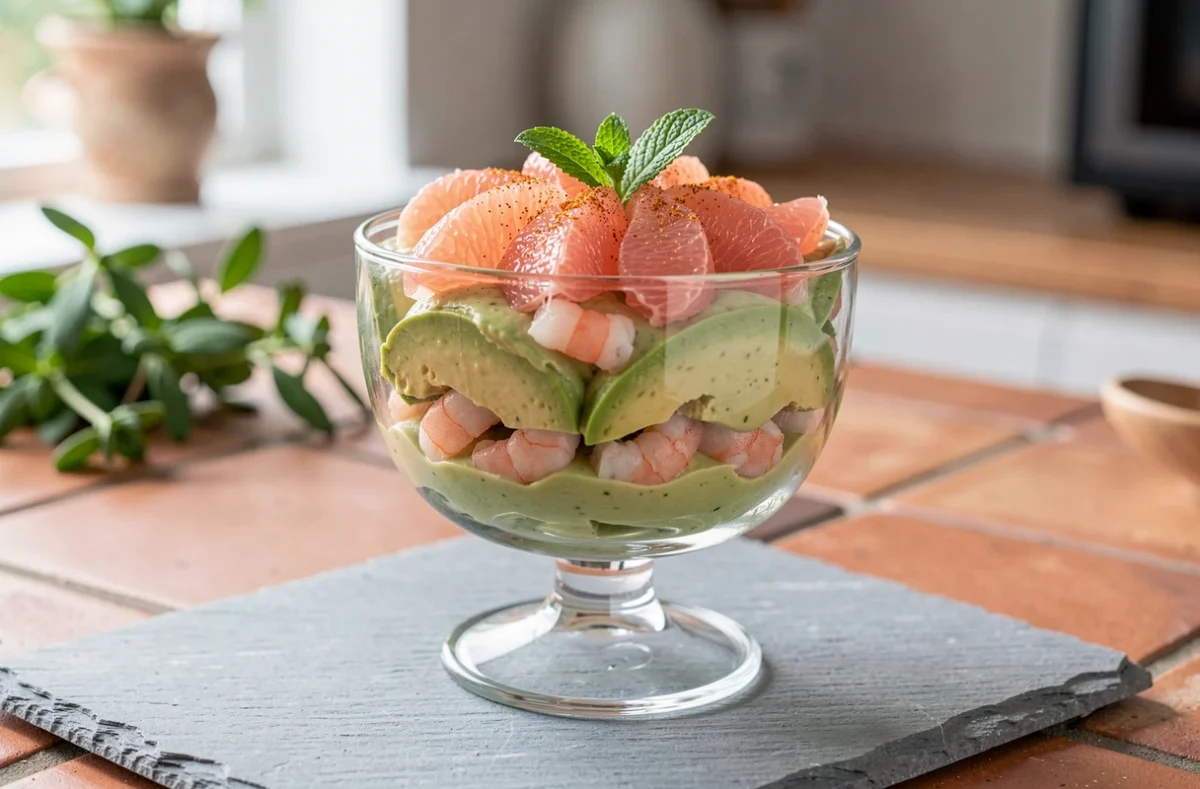
Mashed avocado with a squeeze of lemon forms a creamy base that doesn’t brown if you squeeze the juice directly into the flesh. The pink grapefruit adds acidity, and the peeled shrimp placed on top complete the assembly.
Why does this combination hold up well overnight? The acidity of the citrus protects the avocado, and the cooked shrimp do not release water. Add the zests or fresh herbs at the time of serving to keep their fragrance intact.
3. Beetroot Cream with Fresh Goat Cheese and Hazelnuts
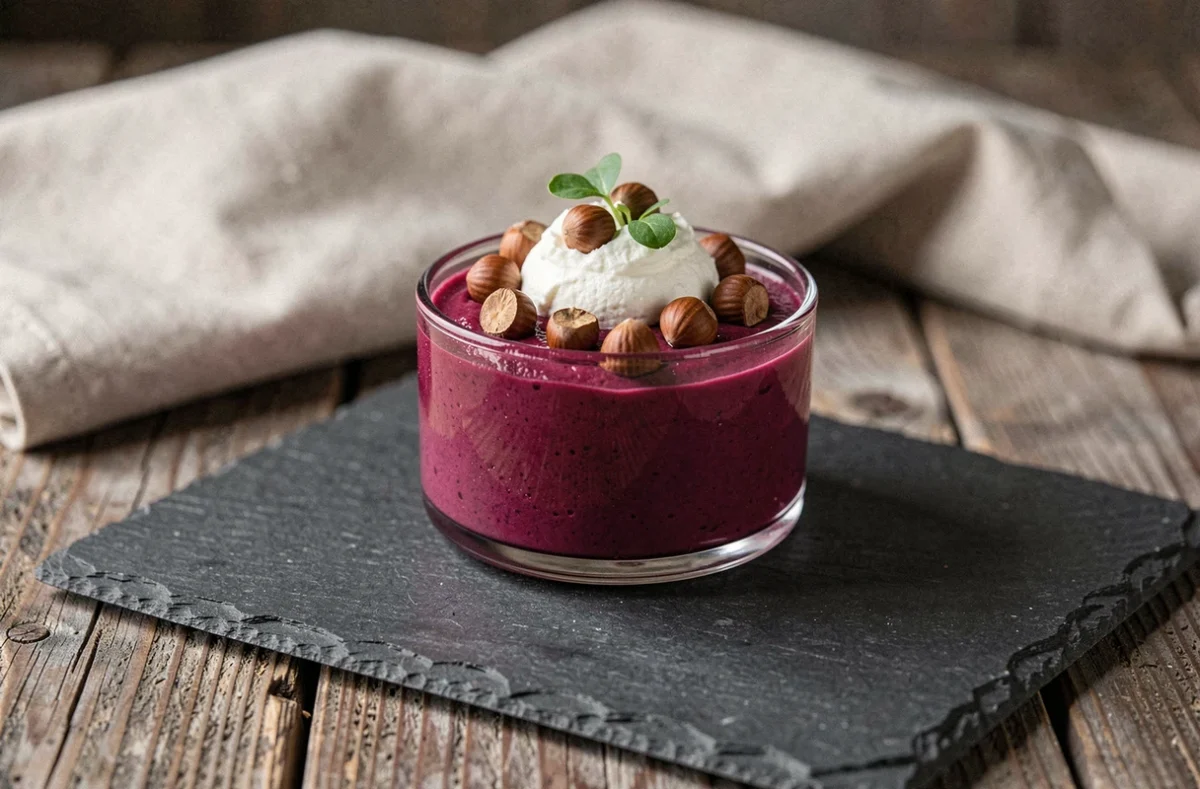
Cooked beetroot blended gives a thick, colorful cream that holds perfectly in the cold. The fresh goat cheese layered on top creates a sharp visual contrast, even after several hours.
Crushed hazelnuts, however, soften quickly when in contact with moisture. Keep them in a small separate bag and sprinkle them just before serving. This principle applies to all verrines containing a crunchy element.
4. Crab Tartare with Mango and Cilantro
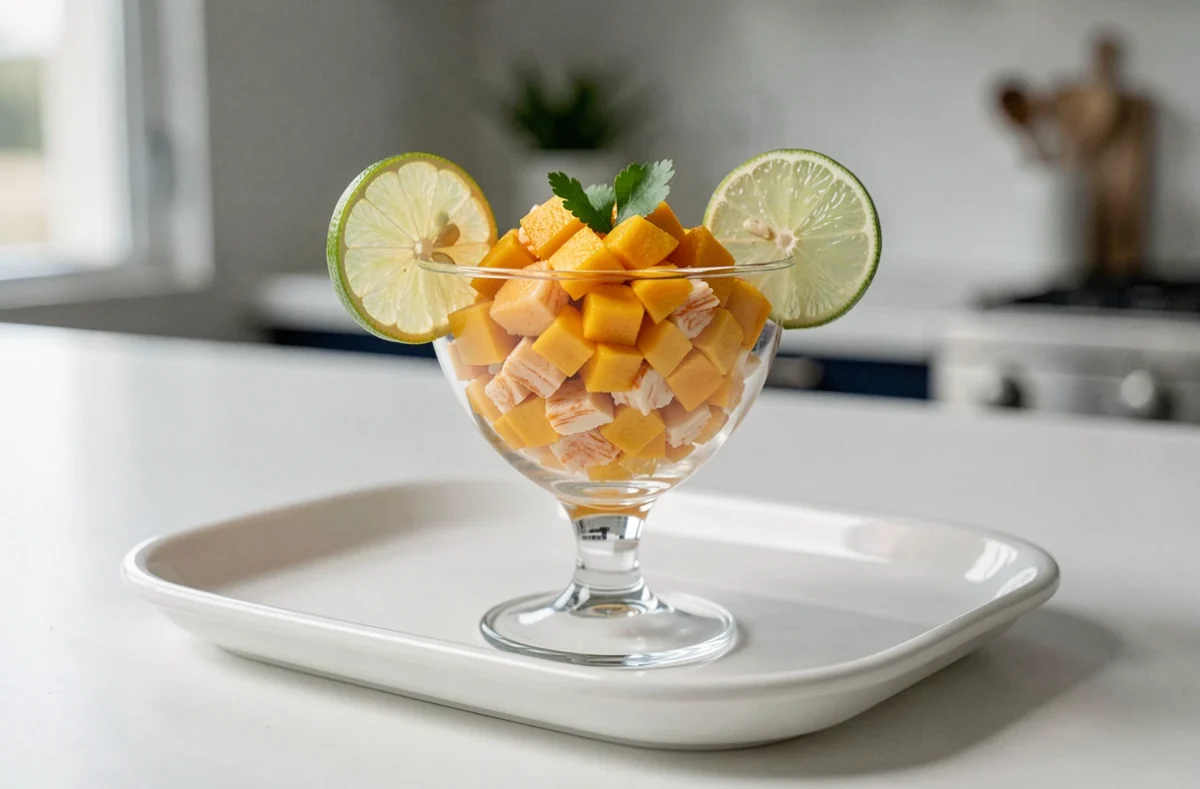
Shredded crab mixed with diced mango offers a sweet-salty profile that surprises. The naturally firm crab meat does not fall apart overnight. The mango adds sweetness without excess juice if you choose a fruit that is not too ripe.
Crab or tartare-based verrines hold up very well for advance preparation, as long as they remain between 0 and 4 °C. The delicate cilantro should be added at the last moment.
5. Savory Panna Cotta with Parmesan and Tomato Coulis
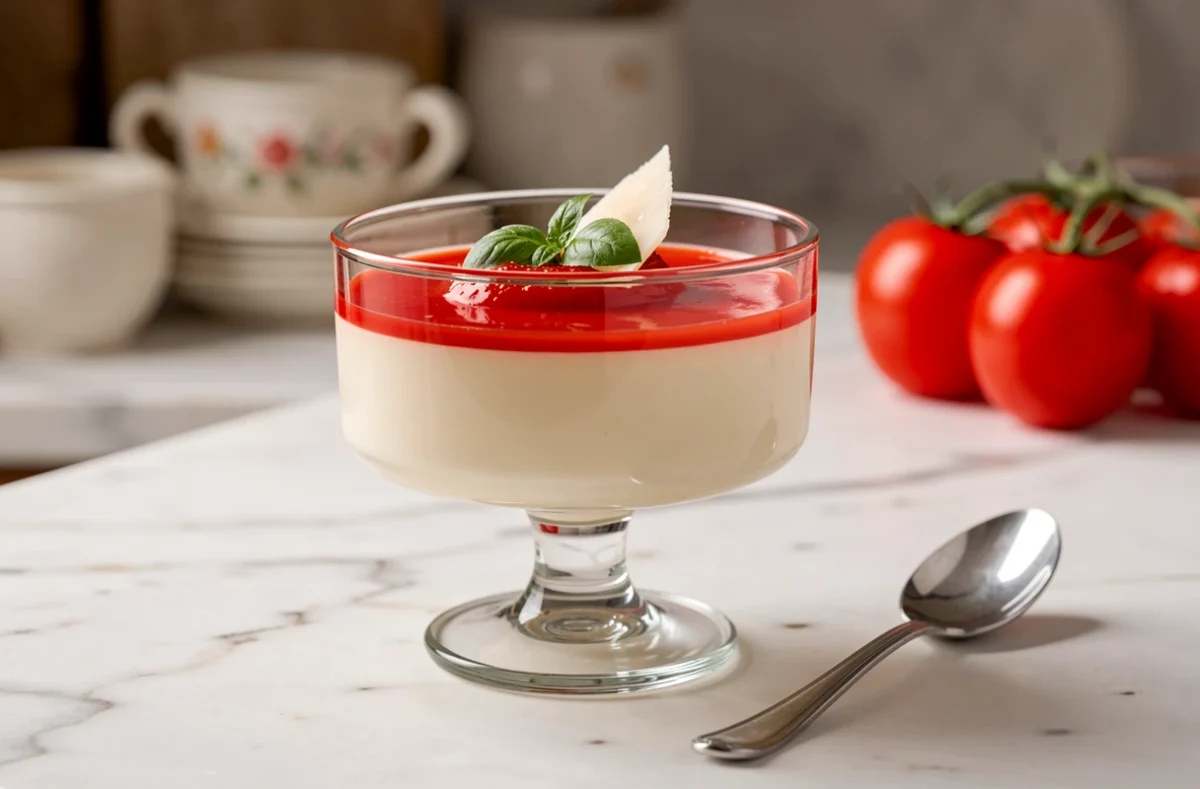
Have you ever tried panna cotta in a savory version? The gelatin sets the parmesan cream into a silky texture that comes off cleanly with a spoon. A night of resting is even recommended for a uniform set.
Pour the tomato coulis over once the panna cotta has set. The gelatin creates a clear separation between the layers, resulting in a visually impeccable outcome without any plating effort.
6. Chilled Pumpkin Velouté with Crumbled Chorizo
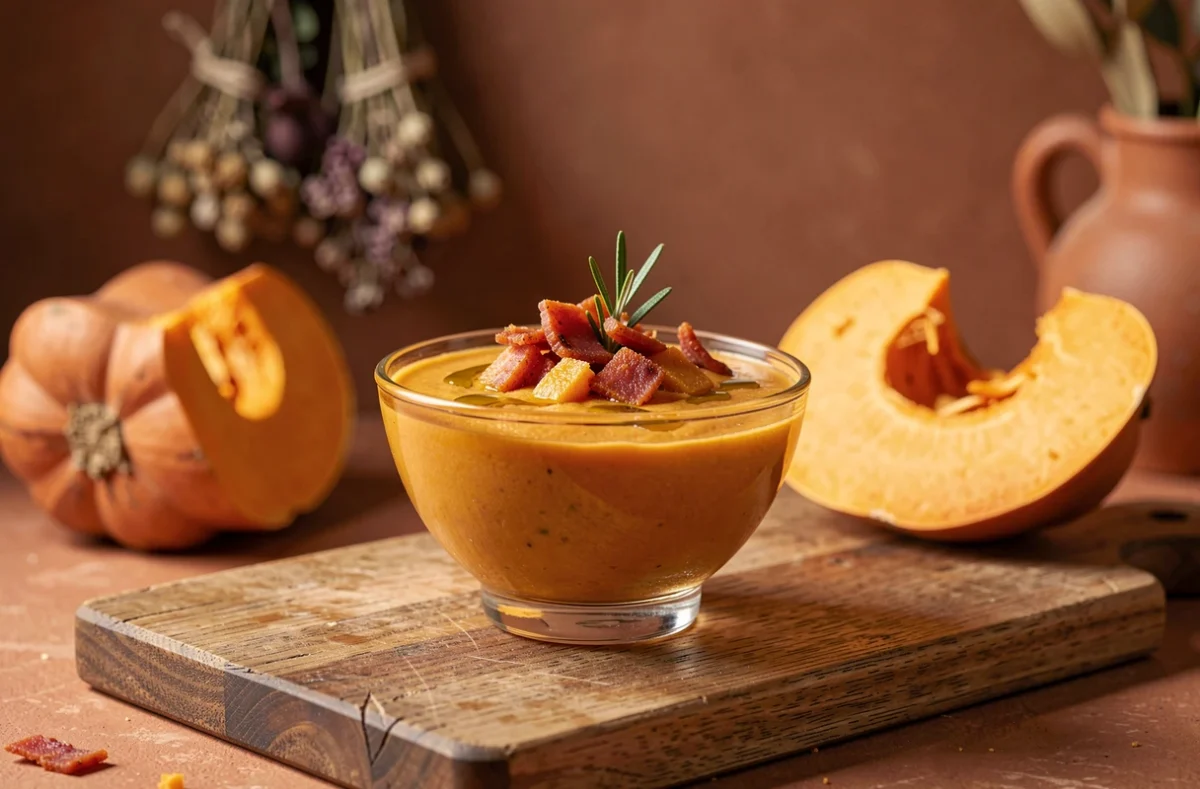
Blended pumpkin in velouté form gives a thick texture, ideal for the verrine. Served cold or warmed for a few seconds in the microwave, it adapts to the season. The crumbled chorizo on top adds spice and a touch of fat that slightly melts upon contact with the warm velouté.
This type of blended preparation is among the most reliable for the day before. There is no risk of watery texture or separation of layers after a night in the cold.
7. Tuna Mousse with Capers and Mimosa Eggs
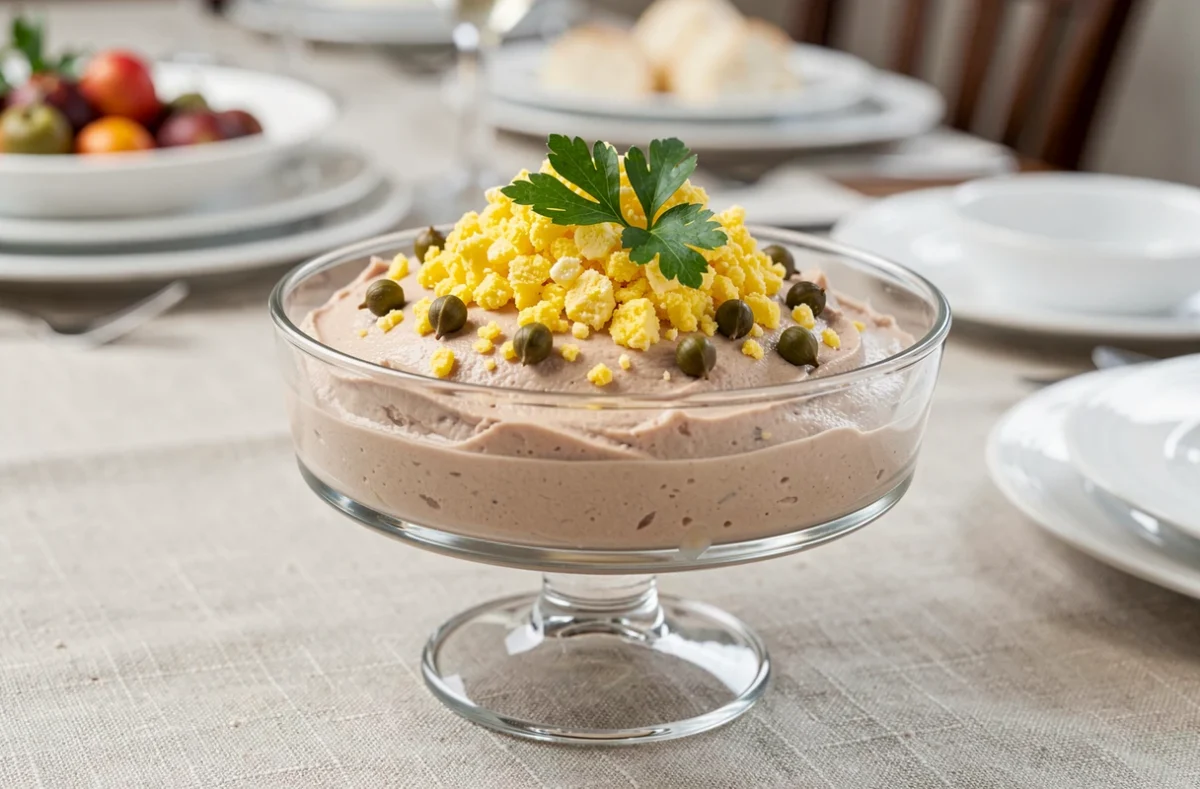
Tuna mousse (canned tuna, cream cheese, capers) can be prepared in a few minutes in a blender. It packs well in the verrine and does not move overnight. The hard-boiled eggs, crushed or sifted, form a bright yellow layer reminiscent of the classic mimosa egg.
Here are the elements to prepare the day before and those to keep for D-day:
- The day before: tuna mousse, crushed hard-boiled eggs, complete assembly of the verrine
- D-day: a twist of the pepper mill, a few whole capers placed on top
- Optional: a flat-leaf parsley leaf for color
8. Cucumber Gazpacho with Mint and Feta
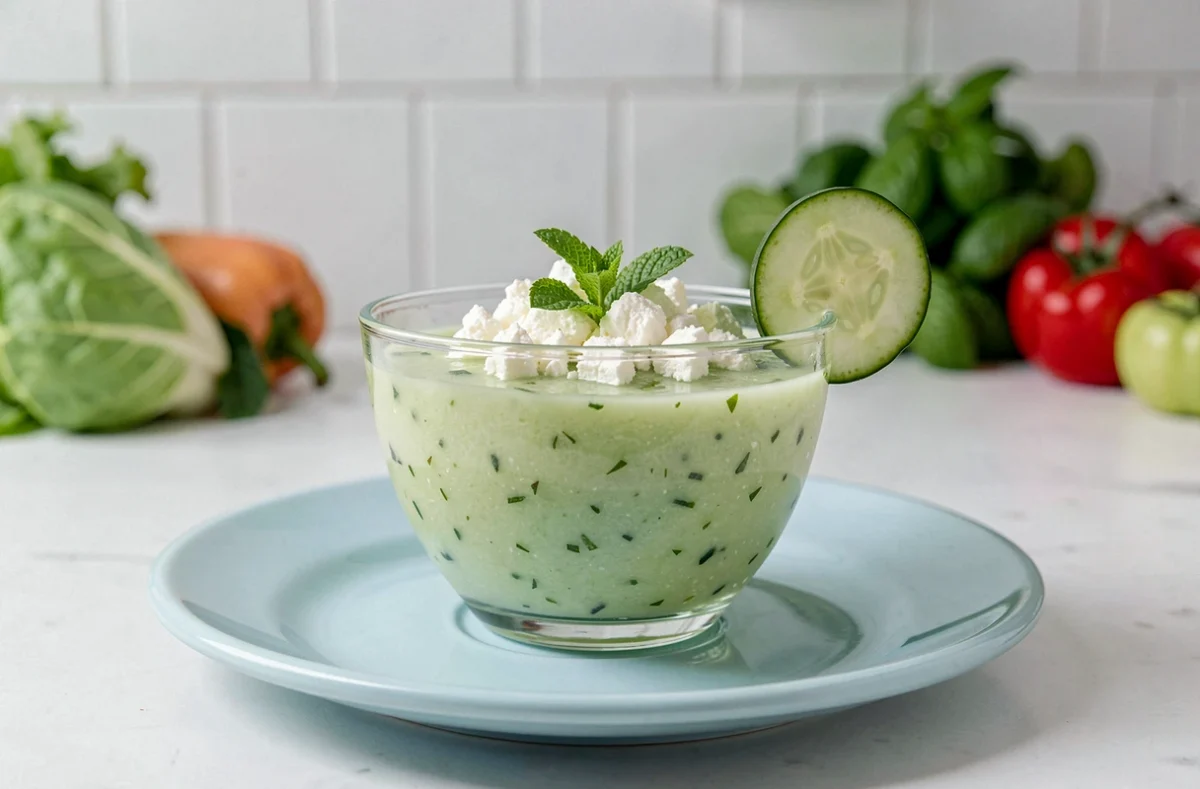
Blended cucumber with mint and a squeeze of lemon gives a light gazpacho, suitable for summer appetizers. The crumbled feta placed on the surface holds up well without melting in the cold.
Store the verrines in the coldest part of the refrigerator, between 0 and 4 °C. The cucumber releases a bit of water, but the texture remains pleasant if the verrine is well covered. Never leave a verrine at room temperature for more than two hours before serving.
9. Duck Rillettes with Onion Confit and Pepper
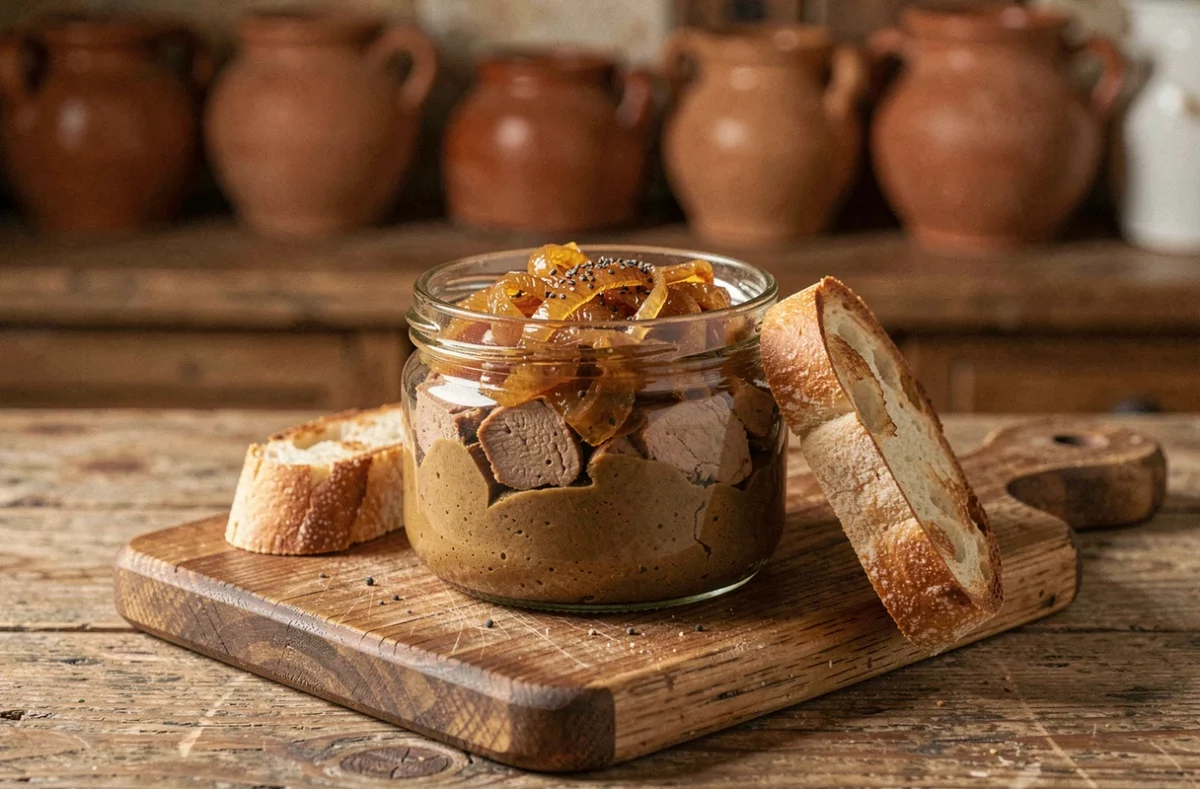
Duck rillettes gain flavor after a night in the cool. The fat firms up slightly, making it easier to serve with a spoon. A layer of onion confit on top adds sweetness without excess sugar.
This is a fall or winter verrine that changes from fish-based compositions. The onion confit, homemade or store-bought, poses no preservation issues overnight.
10. Tricolor Verrine: Bell Pepper, Ricotta, and Basil
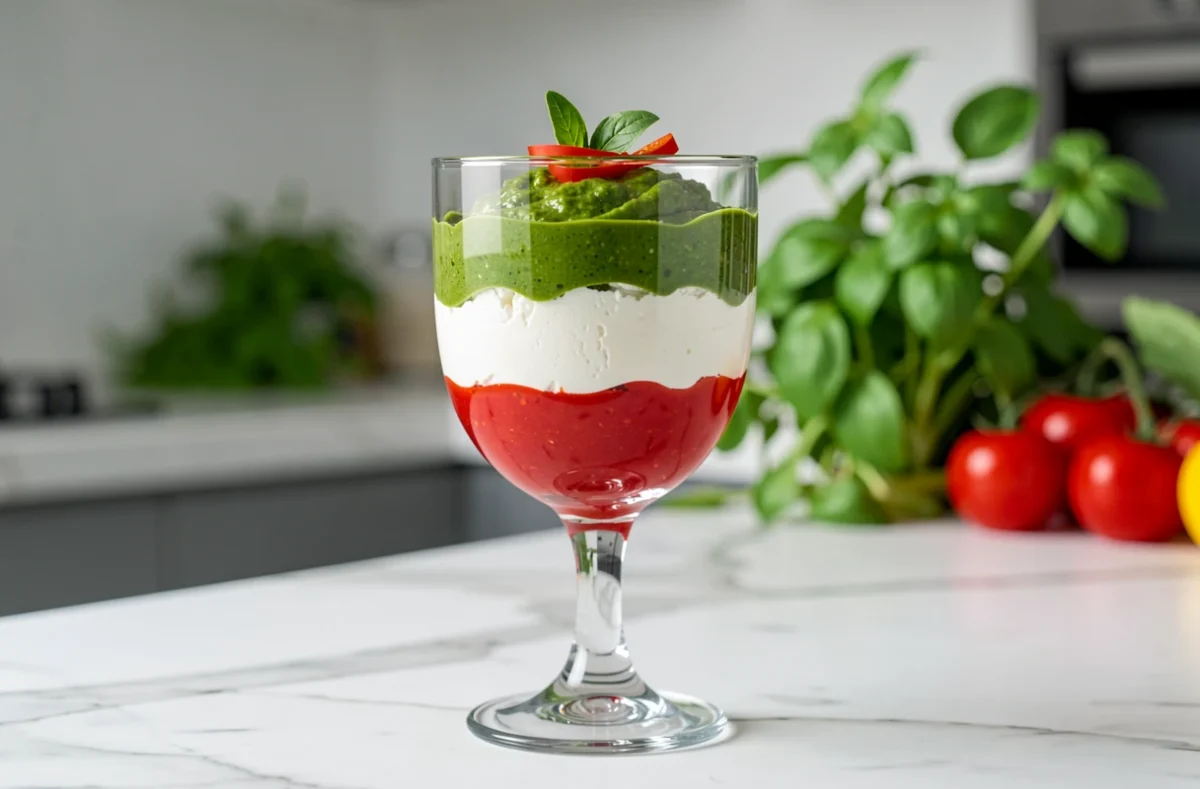
Blended roasted red bell pepper forms a colorful and fragrant base. Whipped ricotta placed on top adds lightness. Chopped basil completes the Mediterranean trio.
Here are some guidelines for successfully preparing your verrines the day before, regardless of the chosen assembly:
- Favor blended preparations or mousses, which hold up better in the cold than assemblies with watery raw vegetables
- Cover each verrine individually to block odor transfer in the refrigerator
- Reserve crunchy elements (hazelnuts, croutons, chips) and fresh herbs for the time of serving
Most of these verrines can be assembled in less than half an hour. Resting in the cold improves the layering and concentrates the flavors, making advance preparation not a compromise, but a true technical advantage.