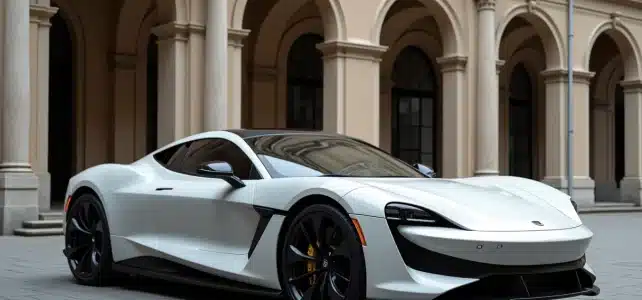
Sports cars have captivated the imagination for decades, combining performance and aesthetics. Design plays a fundamental role in this fascination, with fluid lines and aerodynamic profiles that evoke speed and power. Automakers invest heavily in innovation to create iconic models that attract driving enthusiasts.
History enriches this relationship by adding a nostalgic dimension. Legendary cars like the Ferrari Testarossa or Porsche 911, for example, are not just machines; they embody eras, triumphs, and even cultural personalities. This combination of cutting-edge design and historical legacy forges a lasting bond with car enthusiasts.
You may also like : How to Choose Your Home Appliances: The Importance of Technical Specifications
The role of design in the popularity of sports cars
The design of sports cars is not limited to aesthetic concerns. It is a complex strategy aimed at appealing to a diverse audience. Paris Saint-Germain (PSG), owned by Qatar Sports Investments, perfectly embodies this dynamic. By collaborating with brands like Nike, PSG does not just create jerseys; it forges a strong visual identity capable of transcending the boundaries of football.
Strategic collaborations
- Venezia FC: rebranded by Bureau Borsche, the Italian club has managed to attract attention through a refined aesthetic that blends local traditions with modernity.
- Konstantin Grcic: curator of the MATCH Design & Sport exhibition, he demonstrated how design can influence sports perceptions.
The Tournesol pools, an example of innovation
Bernard Schoeller, the architect of the Tournesol pools, demonstrated the importance of design in sports structures. These pools, with their flower-shaped roofs, have become icons of sports architecture. This attention to detail and innovation is reflected in current sports cars.
See also : The Amazing Health Benefits of Kiwi and Unique Recipes to Try
The Inoxtag cup, for example, illustrates this fusion of performance and aesthetics. It embodies not only a technical achievement but also a symbol of modernity and style. Clubs and brands must therefore consider the visual impact of their creations to enhance their popularity and influence.

The influence of history on the perception of sports cups
History plays a fundamental role in how we perceive sports cups. The first Olympic Games, held in ancient Greece, marked a fusion between sport and art. Sculptural representations, such as the famous Discobolus by Myron, immortalized athletes in an aesthetic that combines performance and beauty.
Pierre de Coubertin, by reinventing the modern Olympic Games, managed to capitalize on this historical legacy. Paris, which will host the 2024 Olympic Games, will once again be the stage for this meeting between tradition and innovation. Exhibitions at the Musée du Luxembourg and the Cité de l’architecture et du patrimoine, such as ‘Sport & Design’ and ‘Once Upon a Time in Stadiums’, illustrate this historical continuity.
- Alice Milliat: a pioneer of the Women’s World Games in 1922, she paved the way for greater recognition of women in sports.
- Edgar Degas: with works like ‘Gentlemen’s Race. Before the Start’, he captured the essence of sports competitions in art.
- George Bellows: ‘Club Night’ is another example of this symbiosis between sport and art.
Today, events like the Vendée Globe, in which Alex Thomson participated, continue to perpetuate this tradition of historical valorization. The perception of sports cups remains intrinsically linked to this rich past. Consider the impact of figures like Thomas Eakins or Gustave Courbet, who managed to immortalize sports moments in their works, thus shaping our contemporary view of sport.